Sailors say a ship hears her name every time it is spoken, which is why no sensible crew sails on anything called Unsinkable. Choose a name you can shout into a storm without shame and whisper in a becalmed week without despair. It will be used both ways.
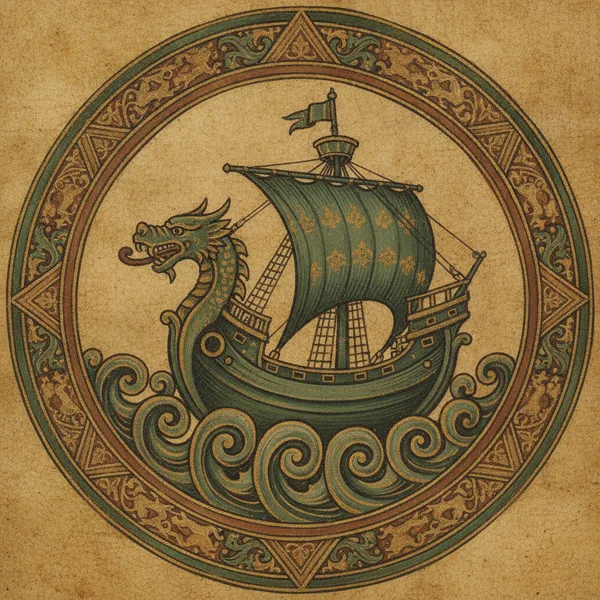
The traditions are two. The first is the flag-name: the Storm Chaser, the Sea Serpent, the Last Dancer, built like a banner from wind and water and luck. The second is the lady's name, Lady Kathlyn, Lady Maribeth, honoring a mother, a patron, or a promise the captain has stopped explaining. Both traditions agree on the single law: renaming a vessel invites the attention of everything a ship should hope to be beneath the notice of.
Meanings matter at sea more than on land, because a crew bets its collective breath on them. The Mercy is a rescue hull or a slaver's joke, depending on the captain; the Widow is either mourning or warning. When the grimoire deals a ship name, read the omen line twice: the second reading is the true one.
Ships are the only property named like people, because crews will not risk their lives inside a possession. The name is a personality the crew negotiates with: it is thanked in fair wind, cursed in a squall, and repainted at ruinous cost when a captain decides the old name used up its luck. The grimoire's ship chapter therefore deals characters, not labels, and recommends the DM treat every ship name as an NPC that happens to displace forty tons.
The registers are worth knowing. Merchant hulls carry hopeful bookkeeping, the Prosperous Wind, the Fair Return, names written by owners who stay ashore. Naval vessels carry the crown's rhetoric, Resolute, Sovereign, names written by committees. Pirates rename what they take, and they rename it as a threat. When the Fair Return reappears in a harbor flying black cloth as the Widow's Debt, the campaign's history is legible from the quay, no narration required.
The elements of the old tongue
Sea- sea
Storm- storm
Dawn- dawn
Iron- iron
Wave- wave
Star- star
Wind- wind
Grey- grey water
Gull's- gull
Tide- tide
Salt- salt
Moon- moon
Ship Names From the Grimoire
- Lady Joissa named for a favored-noble daughter
- The Star Gambit star; gambit
- The Dawn Wager dawn; wager
- The Gull's Promise gull; promise
- Lady Aldissa named for a old lineage-noble daughter
- The Wave Serpent wave; serpent
- The Star Mercy star; mercy
- The Storm Harvest storm; harvest
- Lady Leoine named for a lion-of the line of
- Lady Leolyn named for a lion-lake-born
- The Grey Arrow grey water; arrow
- Lady Edlyn named for a prosperous-lake-born
- Lady Oredra named for a gold-steadfast
- Lady Wenlyn named for a friend-lake-born
- The Tide Mercy tide; mercy
- The Proud Serpent unbowed; serpent
- Lady Ricbeth named for a ruler-oath of the house
- Lady Ricedra named for a ruler-steadfast
- Lady Casedra named for a camp-born-steadfast
- The Wind Runner wind; runner
Margin notes
Why is renaming a ship bad luck?
The superstition is near-universal: the sea keeps a ledger by name, and a renamed hull looks like an attempt to skip out on the bill. If your campaign must rename one, do it as a full rite: keel wetted, old name burned, and at least one sailor who refuses to board ever again.
Should a ship name be 'The X' or a lady's name?
Flag-names suit hulls with a purpose (war, trade, pursuit); ladies' names suit hulls with a story. Pirates famously prefer flag-names their victims can report accurately. It is advertising.
What makes a ship name sound seaworthy?
Two beats, strong vowels, and a noun that moves: Dancer, Runner, Arrow, Serpent. If you cannot bellow it from the wheel in a gale and be understood, the sea will shorten it for you, and not kindly.
Who renames a ship, and does it matter at the table?
Owners rename for luck, navies for rhetoric, pirates for menace, and sailors consider every renaming a debt against fortune. A captured hull wearing a new name is walking exposition: any dockhand can read what happened to it, and so can your players.
Last inscribed 2026-10-01